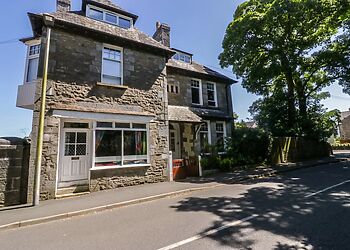
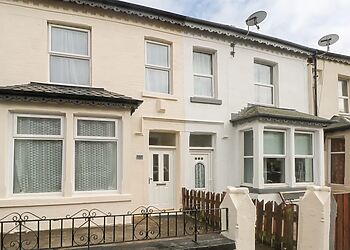
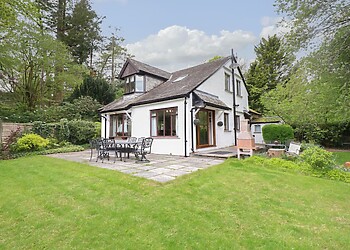
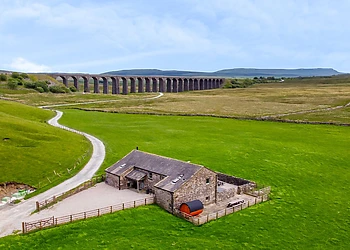
Lancashire is one of the most versatile counties in north-west England for group breaks. From luxury Ribble Valley farmhouses to large coastal houses near Blackpool, the right property can turn any trip into something worth repeating. Here's everything you need to know.
Group accommodation in Lancashire suits big family gatherings, hen and stag weekends, walking clubs, yoga retreats and corporate away-days. Properties range from cottages sleeping eight to large exclusive-use centres sleeping up to thirty-seven people. Lancashire offers varied options for different budgets, with typical weekend prices for a large group house running between roughly £1,300 and £3,000 depending on size and season.
The county works especially well when you want countryside and coast in one trip, when you're travelling from Manchester, Leeds or Liverpool with good motorway links, and when your group needs a mix of outdoor peace and evening entertainment. Blackpool delivers seafront fun, the Forest of Bowland rewards walkers, and the beautiful Ribble Valley provides a calm, foodie-friendly base.
Key areas in Lancashire for group holidays
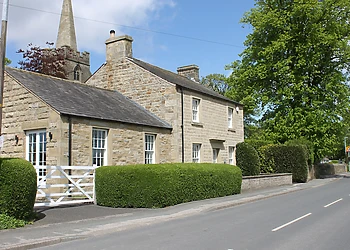
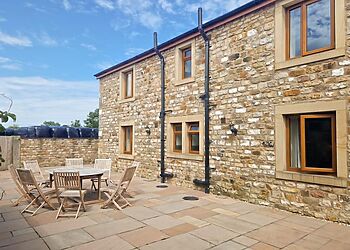
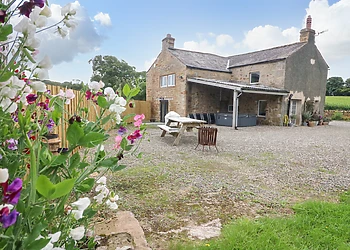
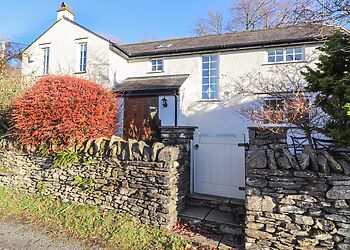
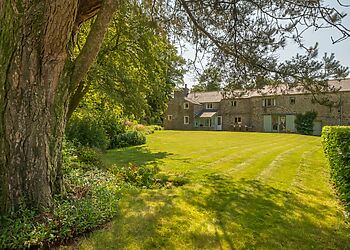
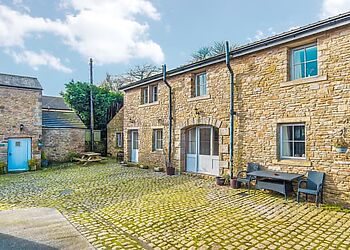
Ribble Valley is characterised by rolling farmland, the River Ribble and quaint villages like Ribchester, Whalley and Clitheroe. Stone cottages with gorgeous views of Longridge Fell make this area a favourite for groups who want peace, scenic walks and excellent local dining.
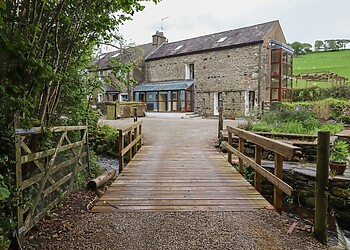
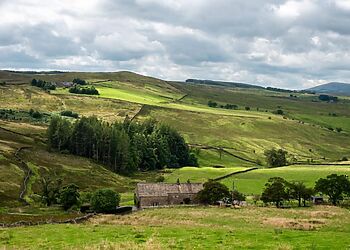
Forest of Bowland covers 312 square miles of natural beauty, ideal for walking groups, cycling clubs and extended families after a digital detox. Converted barns and large farmhouses dot the valleys, and the area's remoteness is its main selling point — though a car is essential.
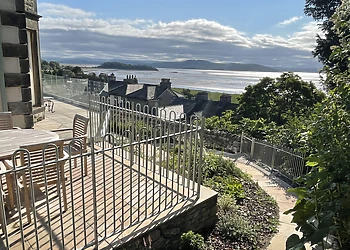
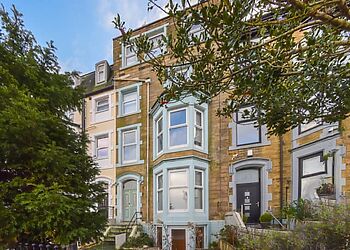
Blackpool and the Fylde Coast suit groups wanting beach days, amusement parks and nightlife. Lytham St Annes offers a more relaxed coastal alternative, while Cleveleys provides a quieter promenade for groups who prefer a gentler pace.
Lancaster and the Lune Valley appeal to history lovers and architecture fans. Riverside walks along the River Lune connect the city to gentle countryside, and Lancaster is a handy transport hub for trips north into Cumbria.
Pendle and Pennine Lancashire, around Burnley, Colne and Wycoller, delivers moorland scenery, reservoirs and rugged walks. Properties here tend to be characterful stone cottages and old farmhouses with strong appeal for outdoor-focused groups.
Types of group accommodation in Lancashire
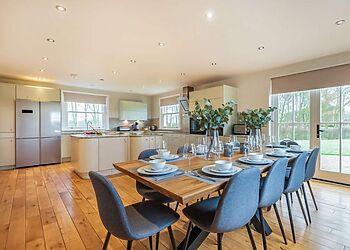
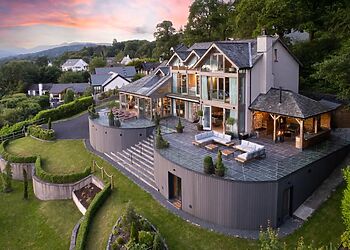
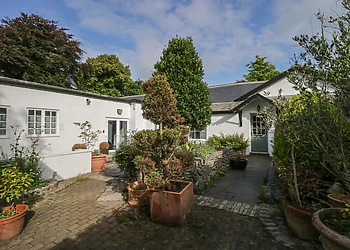
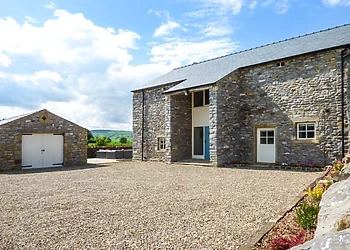
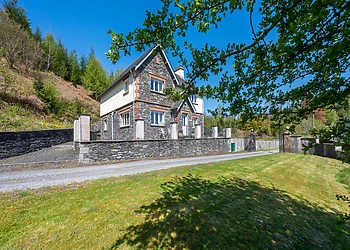
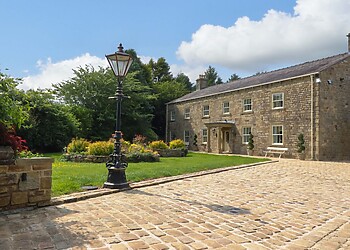
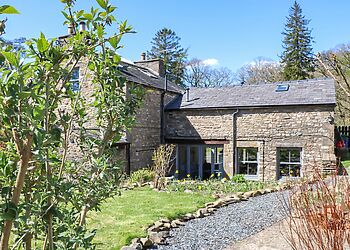
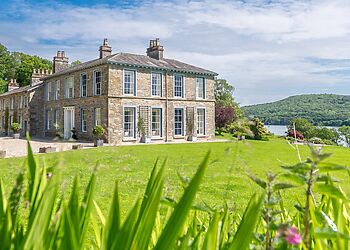
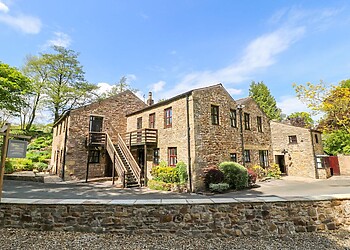
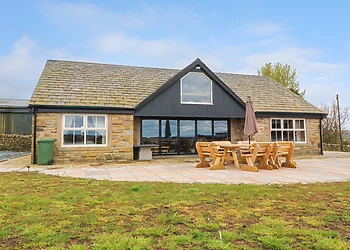
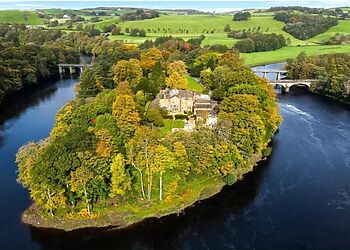
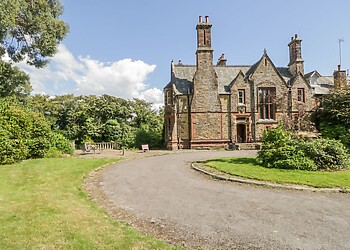
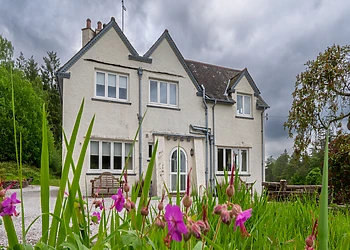
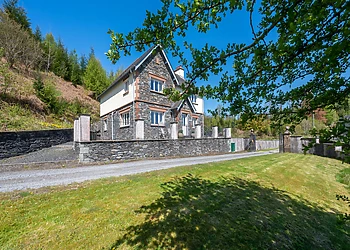
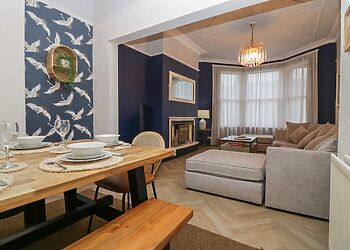
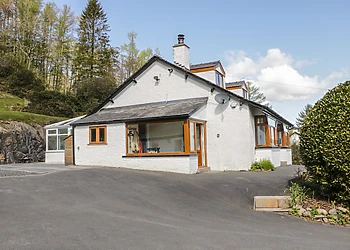
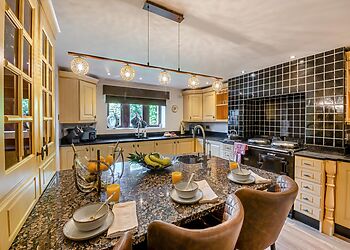
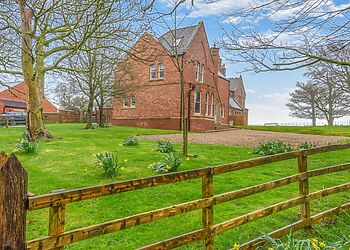
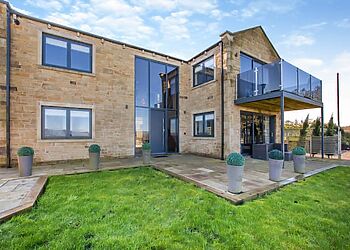
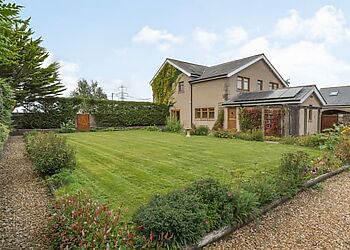
Large cottages and farmhouses sleeping eight to sixteen guests typically feature multiple en-suite bedrooms, a spacious kitchen with double ovens, and generous open-plan living areas. For bigger parties of sixteen to thirty-plus, country houses and manor properties offer the extra room — some sleeping up to thirty-seven across thirteen bedrooms, suited to family reunions, society weekends or corporate events.
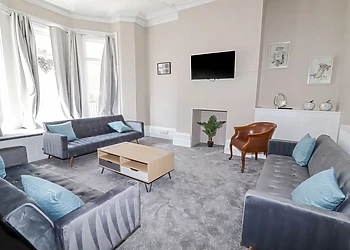
Modern party houses with an open-plan living area, private hot tub, games room and cinema room are increasingly popular for celebrations. Clusters of cottages on a single site are another option, letting multi-family groups split into smaller units while still sharing communal outdoor space.
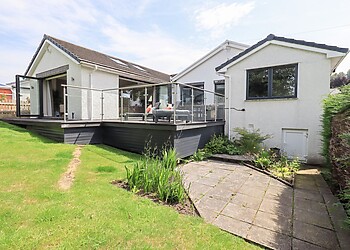
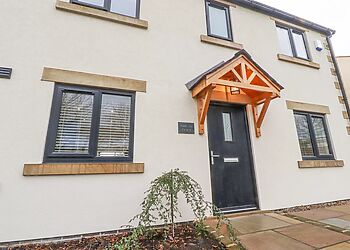
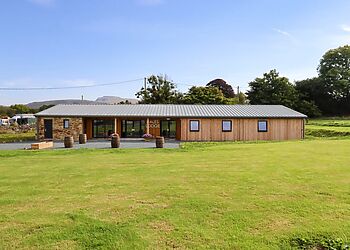
Accessible bungalows and step-free holiday homes exist across Lancashire too — an important consideration for groups that include guests with mobility needs. Look for ground-floor bedrooms, level entry, wide doorways and wet rooms with grab rails.
Facilities to look for
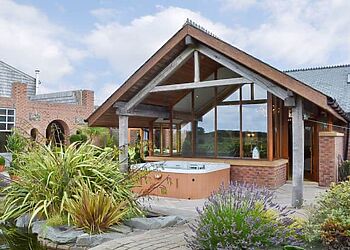
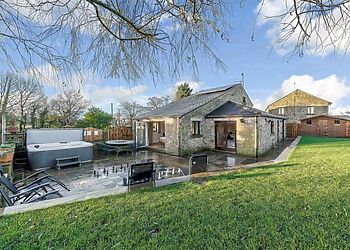
Hot tubs are the single most requested feature for group bookings. Many self-catering cottages have private hot tubs positioned outdoors with views over fields or fells — in winter, a soak under cold, clear skies after a day on Pendle Hill is hard to beat.
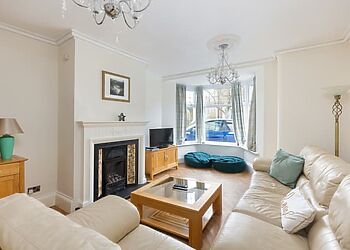
A well-stocked games room might include a pool table, table tennis, air hockey and board games. A cinema room with a large screen and surround sound turns rainy evenings into film marathons. Other high-demand features include BBQ areas, large dining tables seating twelve to twenty, wood burners, fast broadband and EV chargers.
Rather than chasing every possible feature, identify two or three that matter most to your group and search from there.
Things to do nearby
Lancaster Castle is a standout — its medieval origins, centuries as a working prison and dramatic guided tours make it a compelling half-day visit. The Forest of Bowland and Ribble Valley reward walkers and cyclists with marked trails and wildlife. Pendle Hill provides views from nearly 600 metres high; on a clear day you can see across to the Lakes, the Dales and even the Irish Sea.
Along the coast, Blackpool Pleasure Beach and the Blackpool Tower remain crowd-pleasers. Lytham St Annes offers a gentler pace with its Victorian windmill and independent shops. For the folklore-curious, Wycoller Country Park delivers stone bridges, ruined halls and connections to the Pendle Witches story.
Rainy-day options include museums in Preston and Lancaster, leisure centres in Clitheroe or Carnforth, and cinema or bowling outings in Blackpool or Preston.
Planning your stay: dates, duration & budget
Early planning matters for large group bookings, especially if you're targeting school holidays, bank holiday weekends or the Christmas period. The best properties — particularly those with hot tubs and games rooms — fill months ahead.
Most Lancashire group properties require a minimum stay of two to three nights at weekends, rising to a full week during peak school holidays. Midweek stays often have shorter minimums and lower rates, making them attractive for retreats and workshops.
Off-peak, a luxury cottage sleeping ten might work out at roughly £15–£25 per person per night. Midweek and shoulder-season stays in spring or autumn deliver better value and quieter roads.
Handling group finances smoothly means collecting deposits early, using a shared payment app, and being upfront about what the accommodation price covers — heating, hot tub maintenance, utilities and cleaning. Build in a contingency for catering, activity tickets and transport.
Booking tips
Before you start, nail down the essentials: confirmed group size, number of bedrooms versus beds, preferred area, must-have facilities and a realistic budget. Knowing these narrows the field fast.
When reading listings, pay attention to maximum occupancy versus comfortable occupancy — a cottage listed as "sleeps 20" might rely on sofa beds to reach that number. Check floor plans, photo galleries and bed configurations. Reviews from previous guests are worth more than glossy photos: focus on comments about cleanliness, accuracy of listing images and whether the property genuinely works for a large group.
Contact the owner or manager directly with specific questions about noise rules, event permissions and accessibility details. Get anything crucial confirmed in writing. For peak weekends — Easter, May bank holidays, late August — book as early as possible.
Seasonal considerations
Spring (March–May) offers good value for walkers and nature lovers. Lambing season adds countryside charm and local attractions are quieter before the summer rush.
Summer (June–August) is peak season. Coastal trips, outdoor dining and late-evening BBQs are at their best, but demand for large group accommodation is highest — book early and expect premium pricing.
Autumn (September–November) brings rich colour to the Forest of Bowland and quieter trails. Harvest produce fills local markets and restaurant menus. October half-term balances family time with natural beauty without full summer prices.
Winter (December–February) is made for Christmas and New Year gatherings in big holiday cottages with log fires and hot tubs. January and early February offer off-peak value — kick off your muddy boots by the door and warm up by the fire.